

Blackjack rules UK are based on the classic objective of getting closer to 21 than the dealer without going over. The game combines simple card values with strategic decisions such as hitting, standing, doubling down, and splitting pairs. While the basic format is familiar worldwide, UK players may encounter different table rules, payout terms, and variations depending on the casino. Learning the fundamentals first makes blackjack easier to understand and helps players approach the game responsibly. Check out BlueJacker to learn more.
Blackjack Rules UK: Understanding the Basics
The basic objective is straightforward, but knowing exactly how cards are valued and how a round develops is essential before placing a wager.
The Objective of Blackjack
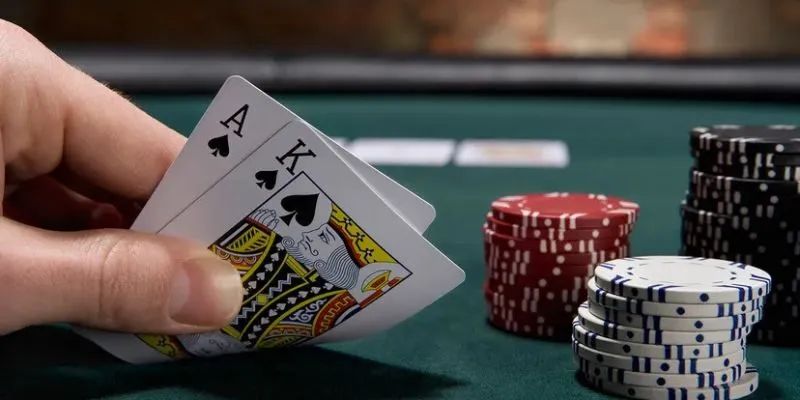
The central aim of blackjack rules UK is to finish with a hand value closer to 21 than the dealer’s hand. A player who exceeds 21 immediately busts and loses the hand, while a dealer bust gives surviving players a win. If the player and dealer finish with the same value, the result is normally a push. The best initial hand is an Ace combined with a 10-value card.
How Cards Are Valued
Number cards retain their printed values from two through 10. Jacks, queens, and kings are each worth 10, while an Ace can count as either one or 11 depending on which value benefits the hand without causing a bust. This flexible Ace value creates soft and hard hands. Understanding these values is one of the first steps in learning blackjack.
How a Blackjack Hand Works
At the beginning of a standard round, players place their bets before receiving cards. The player and dealer normally receive two cards, although one dealer card may remain hidden depending on the rules. Players then make decisions based on their hand and the visible dealer card. The round ends when all player hands have been resolved and the dealer completes the required actions.
Player Actions Under Blackjack Rules UK
Once the initial cards have been dealt, players can usually choose from several actions. The available options can vary according to the casino, table, and specific blackjack variation.
Hitting the Hand
A hit means requesting another card to increase the value of the hand. Players can continue hitting as long as they remain within the permitted rules and do not bust. If the total exceeds 21, the hand immediately loses. The decision to hit should therefore consider both the player’s total and the dealer’s visible card.
Standing on the Hand
Standing means keeping the current cards and ending the player’s turn. No additional cards are requested after a player stands. The dealer then resolves the hand according to the table’s predetermined rules. Players often stand when taking another card would create an unnecessarily high risk of busting, although the mathematically appropriate choice depends on the situation.
Doubling Down
Doubling down allows a player to increase the original wager, usually by up to an additional amount equal to the initial bet, and receive one more card. After that card is dealt, the hand normally stands automatically. Specific restrictions can apply, such as limitations on which totals may be doubled. Players should check the table rules before using this option.
Splitting Pairs
When the first two cards have the same rank or qualifying value, the player may be allowed to split them into two separate hands. A second wager is generally required for the new hand. Each hand then receives additional cards and is played independently. Rules for splitting aces, repeated splits, and doubling after a split can differ between casinos.
Dealer Rules in UK Blackjack
The dealer does not make strategic decisions in the same way as a player. Instead, the dealer follows predetermined procedures established by the game’s rules.
When Does the Dealer Hit?
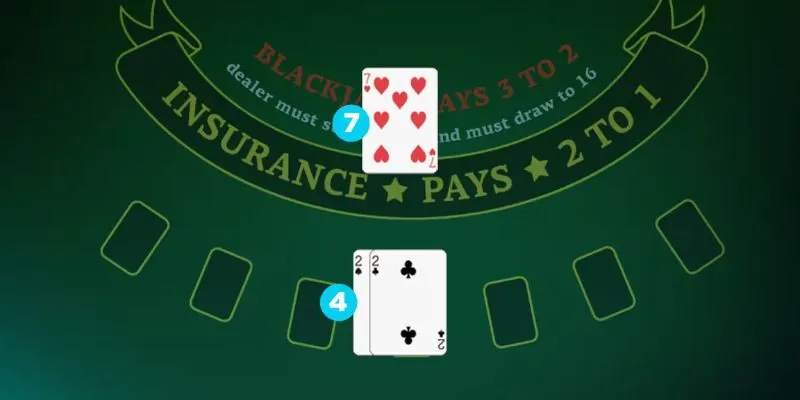
The dealer must normally draw cards until reaching a specified total. A common rule requires the dealer to hit when holding 16 or less and stand on 17 or more. However, some tables require the dealer to hit on a soft 17, while others require a stand. This distinction can affect the mathematical house edge.
When Does the Dealer Stand?
The dealer normally stands once the required threshold is reached. For example, under many common rules, a hard 17 or higher requires the dealer to stop drawing. The dealer does not choose whether to hit based on personal judgment. The exact procedure is printed in the table rules or game information.
What Happens if the Dealer Busts?
If the dealer’s total exceeds 21, the dealer busts. Any player hand that has not already busted generally wins against the dealer. A player who has already exceeded 21 does not benefit from the dealer subsequently busting. This sequence is important because player hands are resolved before the dealer completes the round.
Blackjack Payouts and Winning Hands
Understanding how winning hands are settled is another important part of blackjack rules UK. Payouts can differ depending on the table and whether the player has a natural blackjack.

What Is a Natural Blackjack?
A natural blackjack normally consists of an Ace and a 10-value card among the initial two cards. This is different from reaching 21 with three or more cards. Natural blackjack payouts vary between tables, with 3:2 traditionally being a common payout and some games offering different terms. Players should always check the posted payout before betting.
How Are Regular Wins Paid?
If the player’s final hand is higher than the dealer’s without exceeding 21, the player normally receives an even-money payout on the original wager. The same generally applies when the dealer busts and the player’s hand remains valid. The exact settlement process can vary slightly between physical and online casinos. Table rules should always take priority.
What Is a Push?
A push occurs when the player and dealer finish with the same hand value, provided neither has a qualifying special outcome that changes the settlement. The original wager is normally returned rather than won or lost. For example, a player holding 19 against a dealer’s 19 would typically receive a push. This is why matching the dealer does not normally produce a profit.
See More: casino game odds explained
Conclusion
Blackjack rules UK are relatively easy to learn because the game’s central objective is simply to beat the dealer without exceeding 21. Players should understand card values, hitting, standing, doubling, splitting, dealer procedures, natural blackjack payouts, and pushes before starting a session.